


January is Cervical Cancer Awareness Month, and at 3Rivers Cancer Centre, we are committed to raising awareness about this preventable yet life-threatening disease. Let’s talk about what Cervical Cancer Prevention and Screening. What is cervical cancer? What causes it? How we can prevent, detect, and treat it? With the proper information, we can all come together in the fight against cervical cancer.
What is Cervical Cancer?
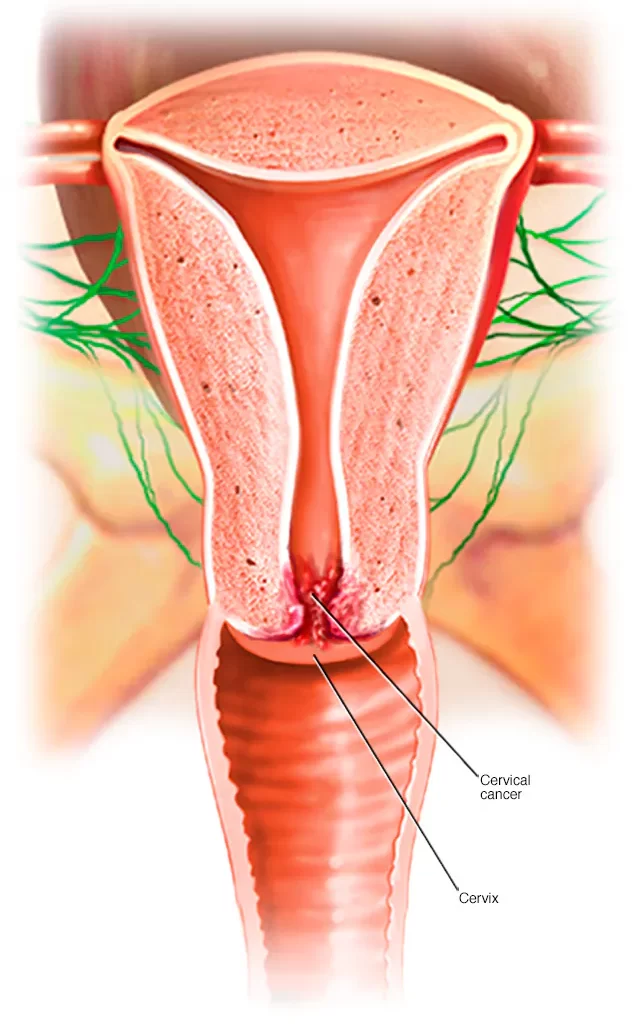
Cervical cancer is a type of cancer that develops in the cells of the cervix, the lower part of the uterus that connects to the vagina. It occurs when the cells in the cervix grow uncontrollably, often due to a persistent infection with high-risk types of the Human Papillomavirus (HPV). Cervical cancer is a significant global health concern, especially in regions like Sub-Saharan Africa, where access to prevention and early detection services remains limited.
Cervical Cancer in Sub-Saharan Africa: A Closer Look
The impact of cervical cancer on women in Sub-Saharan Africa, including Uganda, is devastating. According to the ICO/IARC HPV Information Center, cervical cancer is the most common cancer among women in Uganda, with Uganda having the 7th highest incidence rate globally and the 2nd highest in East Africa. Every year, 28.8 out of 100,000 women in Uganda are diagnosed with cervical cancer.
Tragically, many cases are diagnosed at an advanced stage, leading to high mortality rates. This is largely due to low screening rates, lack of awareness, and limited access to healthcare services. At 3Rivers Cancer Centre, we believe that Cervical Cancer prevention and screening , early detection and treatment can save lives.
What Causes Cervical Cancer?
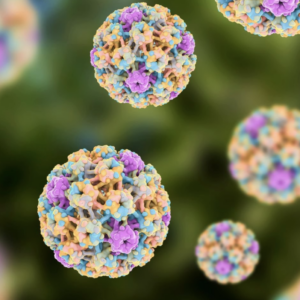
The primary cause of cervical cancer is persistent infection with high-risk types of HPV, particularly HPV 16 and HPV 18. These two strains are responsible for 70% of cervical cancer cases worldwide.
HPV is a common virus that is transmitted through sexual contact. Nearly all sexually active individuals will contract HPV at some point in their lives. In most cases, the immune system clears the infection within a year or two. However, when the infection persists, it can lead to changes in cervical cells, which may develop into precancerous lesions and, eventually, cervical cancer if left untreated.
Risk Factors for Cervical Cancer
While HPV is the main cause, certain factors can increase the risk of developing cervical cancer:
-Weakened immune system: Women living with HIV or those on immunosuppressive medications are at higher risk.
-Smoking: Tobacco use damages cervical cells and makes them more susceptible to cancer.
-Obesity: Excess weight can contribute to hormonal imbalances that may increase cancer risk.
-Long-term use of hormonal contraceptives: Studies suggest a link between prolonged use and a slightly higher risk of cervical cancer.

Symptoms of Cervical Cancer
Early-stage cervical cancer often has no symptoms, which is why regular screening is crucial. As the disease progresses, symptoms may include:
– Abnormal vaginal bleeding (between periods, after sex, or after menopause)
– Unusual vaginal discharge (watery, bloody, or foul-smelling)
– Pain during sex
– Persistent pain in the lower abdomen or pelvis
If you experience any of these symptoms, don’t wait. Seek medical attention immediately.
How is Cervical Cancer Treated?
Treatment for cervical cancer depends on the stage of the disease. Options include:
– Surgery: To remove cancerous tissue.
– Radiation therapy: To target and destroy cancer cells.
– Chemotherapy: To shrink tumors or kill cancer cells.
Early detection significantly improves treatment outcomes and survival rates. This is why screening is so important.
How Can We Prevent Cervical Cancer?
The good news is that cervical cancer is largely preventable. Here’s how:
1. HPV Vaccination: The HPV vaccine protects against the most dangerous HPV strains, including HPV 16 and 18. It is most effective when administered before sexual activity begins, typically between the ages of 9 and 14.
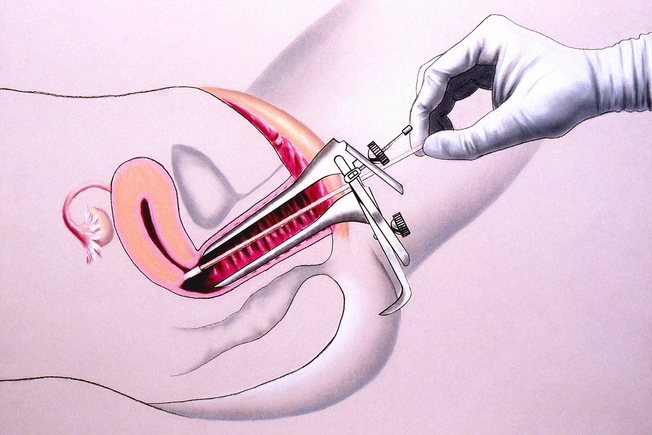
2. Regular Screening: Early detection of precancerous changes in the cervix can prevent the development of invasive cancer. Screening methods include:
– HPV Test: Detects high-risk HPV strains.
– Pap Smear (Cytology): Identifies abnormal cervical cells.
– VIA/VILI (Visual Inspection with Acetic Acid/Lugol’s Iodine): A cost-effective method for low-resource settings.
3. Safe Sexual Practices: Using condoms can reduce the risk of HPV transmission.
4. Lifestyle Changes: Quitting smoking, maintaining a healthy weight, and managing chronic conditions like HIV can lower your risk.
Barriers to Screening in Uganda
Despite the availability of screening methods, many women in Uganda face barriers to accessing these services. Factors include:
– Lack of awareness: Many women are unaware of the importance of screening.
– Cultural beliefs: Stigma and misconceptions about cervical cancer prevent some women from seeking help.
– Socioeconomic disparities: Wealthier and more educated women are more likely to get screened, leaving vulnerable populations at greater risk.
At 3Rivers Cancer Centre, we are working to break down these barriers by providing accessible, compassionate care and raising awareness in our communities for better Cervical Cancer prevention and screening.
What Can You Do?
1. Get Screened: If you’re a woman aged 21 and above, regular cervical cancer screening is a must. Early detection saves lives.
2. Encourage Others: Talk to the women in your life—your mother, sister, friend, or neighbor—about the importance of screening.
3. Vaccinate: Ensure young girls in your family receive the HPV vaccine.
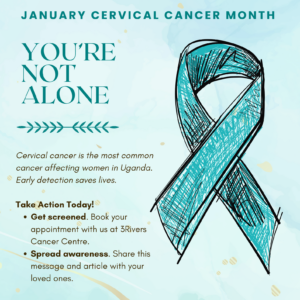
4. Spread Awareness: Share this article and help us educate more people about cervical cancer.
We’re Here for You
At 3Rivers Cancer Centre, we offer comprehensive cervical cancer screening and treatment services. Our team of medical oncology specialists and healthcare professionals is dedicated to providing personalized care and support throughout your journey. If you or a loved one has been diagnosed with cervical cancer, know that you are not alone. We are here to walk with you every step of the way in Cervical Cancer Prevention and Screening.
Take Action Today
Cervical cancer is preventable, treatable, and beatable. Let’s work together to stop it in its tracks.
Book your cervical cancer screening appointment with us today and take the first step toward protecting your health.
Talk about it. Share this article. Together, we can make a difference!

References:
1. Vigneshwaran, E., et al. (2023). *Prevalence and predictors of cervical cancer screening among HIV-positive women in rural western Uganda*. BMC Cancer.
2. Ahinkorah, B. O., et al. (2024). *Socioeconomic inequalities in cervical cancer screening in sub-Saharan Africa*. European Journal of Public Health.
3. HPV Information Centre. (2023). *Uganda: Human Papillomavirus and Related Cancers, Fact Sheet 2023*.
4. World Cancer Research Fund International. (2023). *Cervical Cancer Statistics*.