

How much do you know about uterine cancer?


Since 2009, 25th September has been celebrated as World Pharmacists’ Day, in commemoration of the 1912 establishment of the International Pharmaceutical Federation. It is the day that the role of the pharmacist is celebrated in as far their contribution to the ever changing and growing global health system.
This year, it will be celebrated under the theme, ‘Think Health, Think Pharmacist’, underlining the growing need more than ever to involve qualified pharmacists in the crucial points of the global health system that has for the past decade or so, grown by leaps and bounds.

While the health system suffers from varying levels of fragility all over the world and external factors such as political climate, financial stability and climate change, the most crucial and universal threat is the prevalence of information in the digital era. This makes the need for well-trained pharmacists crucial. This would reduce the harm that can result from disinformation since pharmacists quite often are at the first contact of patients with the healthcare system in this part of the world.
In developing countries, due to financial constraints, it is tempting to replace pharmacists with other para-professionals, even for tasks and roles that would be the preserve of trained pharmacists. While a quick buck is saved in the short term, the possibility of costly consequences is a matter of when and not if. The eventual cost is not only financial, but human as well.
In the oncology space, the role of the pharmacist is not only becoming clearer by the day, but also more engaging than probably most other practice spaces in which pharmacists thrive.
While we are safe from illegible handwriting, impatient patients and the like, we are charged with the responsibility of handling dangerous and hazardous chemo drugs, and appropriately preparing them for administration to the patient, a process whose room for error is zero for both the safety of the patient as well as the health of the pharmacist.
Cancer treatments and care are always rapidly evolving, this makes oncology practice very exciting, however, the pharmacist being the custodian of knowledge on drugs, is kept on his toes to keep abreast of the latest knowledge and technologies in cancer care. This, coupled with the multi-disciplinary nature of cancer care teams, makes the pharmacist not only a life long learner, but also a life-long teacher. Possession of skills to teach others have a ripple effect and can be the difference between a good care team and an excellent care team.
In this part of the world, futuristically speaking, tumor boards will eventually be instituted, and thus the role of the pharmacist will further expand beyond simply execution of treatment plans to include contribution to the making of the treatment plans themselves. This will relieve the currently overwhelmed oncologists while also ensuring that their skills can fluently be passed on to the rest of the lower cadres. Per Medicatum Servium.
This article was written by the Pharmacy team at 3Rivers Cancer Centre. We thank you Ivan, Hadad and Gerald for your excellent service and hard-working spirit in our Pharmacy Department!

July is Sarcoma Awareness Month and we at 3Rivers Cancer Centre are committed to sharing information about sarcomas.
They are a group of malignant tumours found in various tissues in the body. They develop in the bones and soft tissues, including fat, muscles, blood vessels, nerves, deep skin tissues and fibrous tissues.
They comprise of 1% of adult cancer diagnosis, making them a rare form of cancer.
There are 100 different subtypes of sarcomas.
Most of them do not have a known cause, however there are several risk factors, including;
Here is an infographic highlighting the definition and symptoms of sarcomas:

They are treated with a combination of chemotherapy , radiation therapy and surgery.
Your treatment plan will depend on the type of sarcoma, tumor location and size, your age, and multiple other factors.
Reach out to us and book a consultation with our consultants who will walk you through this journey. We are located at Afri-Courts Building on Buganda road. You can reach us on our hospital lines +256772555640 / +256758666312.
We pride ourselves in ensuring we provide patient-centered, individualized care as we journey towards your recovery.
Article written by: Dr. Joy Mueni – Medical staff at 3Rivers Cancer Centre
While quite often a month is dedicated towards fighting a particular cancer or raising awareness about it, the month of June focuses more on those most forgotten, the cancer survivors. Those that live to tale the tale.
Honoring the Unsung Heroes: Cancer Survivors
The sheer presence of a cancer survivor is testament to the fact that cancers can be defeated, but as well emphasizes the cost, both financial and material, as well as physical or bodily sacrifice that are needed to beat cancer. This could be a major surgical procedure, impairment of a particular physiological system, among others of which the main aim is to improve chances of survival with the patient’s quality of life in mind.
It is with this background that a month is dedicated to the survivors, their existence is an inspiration to the oncology care providers to soldier on in the fight against cancer, it makes the fight worthwhile. They are also inspiration to patients out there still battling cancer, there is light at the end of the tunnel.

Beyond Survival: The Lingering Challenges Survivors Face
However, it is not enough to simply draw inspiration from them, we ought to use their experiences as a guide to better optimize cancer care. We need to recognize as well that coupled with the physical bodily costs of surviving cancer, survivors have to sometimes grapple with irreversible damage or injury incurred due to the disease or as part of the treatment modalities, and sometimes these may be severe and debilitating, affecting their social life forever.
June is therefore the rare opportunity once more that the cancer healthcare system needs, to recognize the special challenges that cancer survivors face and find workable ways of mitigating these. Be it psycho-social support or otherwise, cancer survivors are in continuous need of the rest of us to be their bedrock because only we may understand the challenges they face.

Voices That Matter: The Power of Survivors’ Stories
Away from the challenges, survivors are needed more in the oncology support spaces and should be encouraged to share their stories more and more to shine light upon what quite often is a grim situation. With this, we might have health seeking behaviour of our population improve, routine screenings done more and subsequently be able to diagnose patients in earlier stages of the disease. This would be simply a result of cancer survivors demystifying the cancer journey to the general population.
This June, we shall celebrate the survivors, we shall honor the fallen and encourage those still in the thick of the battle.
Article written by: Hadad Dauda (3rcc Pharmacy team member)
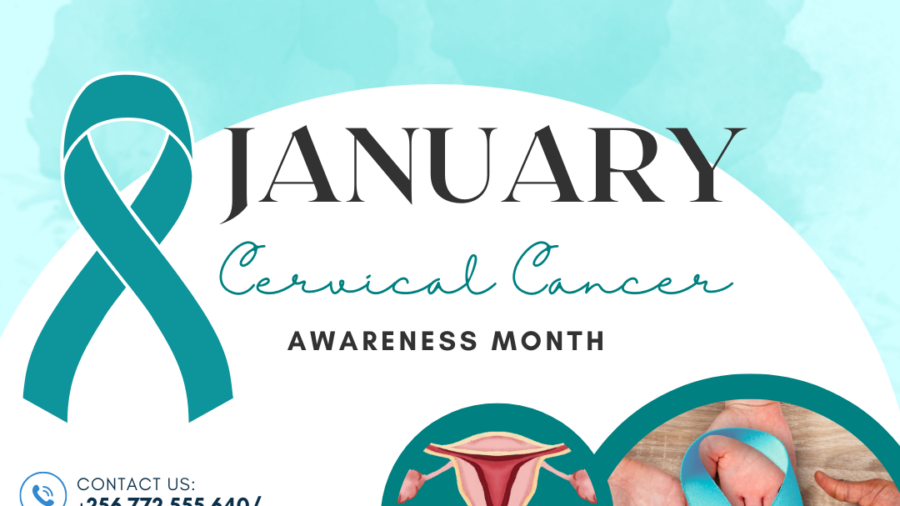
January is Cervical Cancer Awareness Month, and at 3Rivers Cancer Centre, we are committed to raising awareness about this preventable yet life-threatening disease. Let’s talk about what Cervical Cancer Prevention and Screening. What is cervical cancer? What causes it? How we can prevent, detect, and treat it? With the proper information, we can all come together in the fight against cervical cancer.
What is Cervical Cancer?
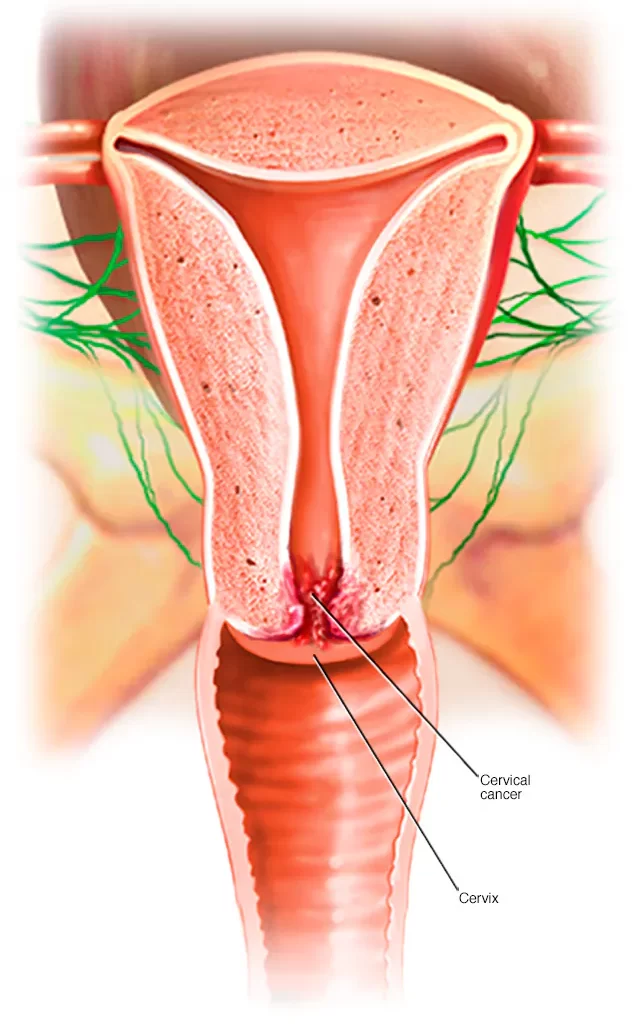
Cervical cancer is a type of cancer that develops in the cells of the cervix, the lower part of the uterus that connects to the vagina. It occurs when the cells in the cervix grow uncontrollably, often due to a persistent infection with high-risk types of the Human Papillomavirus (HPV). Cervical cancer is a significant global health concern, especially in regions like Sub-Saharan Africa, where access to prevention and early detection services remains limited.
Cervical Cancer in Sub-Saharan Africa: A Closer Look
The impact of cervical cancer on women in Sub-Saharan Africa, including Uganda, is devastating. According to the ICO/IARC HPV Information Center, cervical cancer is the most common cancer among women in Uganda, with Uganda having the 7th highest incidence rate globally and the 2nd highest in East Africa. Every year, 28.8 out of 100,000 women in Uganda are diagnosed with cervical cancer.
Tragically, many cases are diagnosed at an advanced stage, leading to high mortality rates. This is largely due to low screening rates, lack of awareness, and limited access to healthcare services. At 3Rivers Cancer Centre, we believe that Cervical Cancer prevention and screening , early detection and treatment can save lives.
What Causes Cervical Cancer?
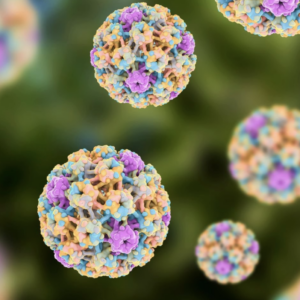
The primary cause of cervical cancer is persistent infection with high-risk types of HPV, particularly HPV 16 and HPV 18. These two strains are responsible for 70% of cervical cancer cases worldwide.
HPV is a common virus that is transmitted through sexual contact. Nearly all sexually active individuals will contract HPV at some point in their lives. In most cases, the immune system clears the infection within a year or two. However, when the infection persists, it can lead to changes in cervical cells, which may develop into precancerous lesions and, eventually, cervical cancer if left untreated.
Risk Factors for Cervical Cancer
While HPV is the main cause, certain factors can increase the risk of developing cervical cancer:
-Weakened immune system: Women living with HIV or those on immunosuppressive medications are at higher risk.
-Smoking: Tobacco use damages cervical cells and makes them more susceptible to cancer.
-Obesity: Excess weight can contribute to hormonal imbalances that may increase cancer risk.
-Long-term use of hormonal contraceptives: Studies suggest a link between prolonged use and a slightly higher risk of cervical cancer.

Symptoms of Cervical Cancer
Early-stage cervical cancer often has no symptoms, which is why regular screening is crucial. As the disease progresses, symptoms may include:
– Abnormal vaginal bleeding (between periods, after sex, or after menopause)
– Unusual vaginal discharge (watery, bloody, or foul-smelling)
– Pain during sex
– Persistent pain in the lower abdomen or pelvis
If you experience any of these symptoms, don’t wait. Seek medical attention immediately.
How is Cervical Cancer Treated?
Treatment for cervical cancer depends on the stage of the disease. Options include:
– Surgery: To remove cancerous tissue.
– Radiation therapy: To target and destroy cancer cells.
– Chemotherapy: To shrink tumors or kill cancer cells.
Early detection significantly improves treatment outcomes and survival rates. This is why screening is so important.
How Can We Prevent Cervical Cancer?
The good news is that cervical cancer is largely preventable. Here’s how:
1. HPV Vaccination: The HPV vaccine protects against the most dangerous HPV strains, including HPV 16 and 18. It is most effective when administered before sexual activity begins, typically between the ages of 9 and 14.
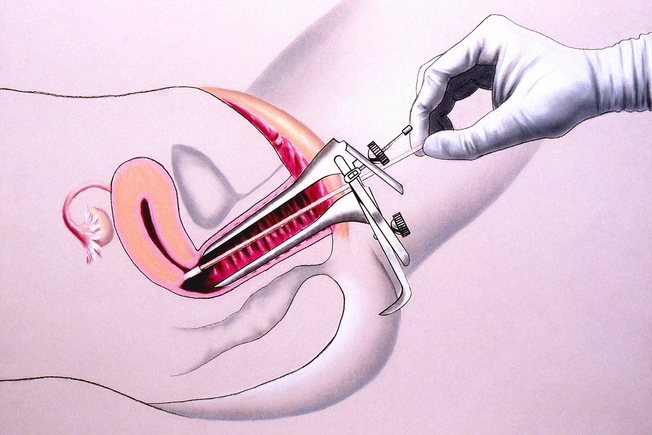
2. Regular Screening: Early detection of precancerous changes in the cervix can prevent the development of invasive cancer. Screening methods include:
– HPV Test: Detects high-risk HPV strains.
– Pap Smear (Cytology): Identifies abnormal cervical cells.
– VIA/VILI (Visual Inspection with Acetic Acid/Lugol’s Iodine): A cost-effective method for low-resource settings.
3. Safe Sexual Practices: Using condoms can reduce the risk of HPV transmission.
4. Lifestyle Changes: Quitting smoking, maintaining a healthy weight, and managing chronic conditions like HIV can lower your risk.
Barriers to Screening in Uganda
Despite the availability of screening methods, many women in Uganda face barriers to accessing these services. Factors include:
– Lack of awareness: Many women are unaware of the importance of screening.
– Cultural beliefs: Stigma and misconceptions about cervical cancer prevent some women from seeking help.
– Socioeconomic disparities: Wealthier and more educated women are more likely to get screened, leaving vulnerable populations at greater risk.
At 3Rivers Cancer Centre, we are working to break down these barriers by providing accessible, compassionate care and raising awareness in our communities for better Cervical Cancer prevention and screening.
What Can You Do?
1. Get Screened: If you’re a woman aged 21 and above, regular cervical cancer screening is a must. Early detection saves lives.
2. Encourage Others: Talk to the women in your life—your mother, sister, friend, or neighbor—about the importance of screening.
3. Vaccinate: Ensure young girls in your family receive the HPV vaccine.
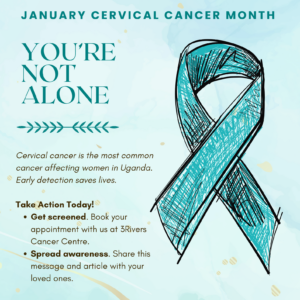
4. Spread Awareness: Share this article and help us educate more people about cervical cancer.
We’re Here for You
At 3Rivers Cancer Centre, we offer comprehensive cervical cancer screening and treatment services. Our team of medical oncology specialists and healthcare professionals is dedicated to providing personalized care and support throughout your journey. If you or a loved one has been diagnosed with cervical cancer, know that you are not alone. We are here to walk with you every step of the way in Cervical Cancer Prevention and Screening.
Take Action Today
Cervical cancer is preventable, treatable, and beatable. Let’s work together to stop it in its tracks.
Book your cervical cancer screening appointment with us today and take the first step toward protecting your health.
Talk about it. Share this article. Together, we can make a difference!

References:
1. Vigneshwaran, E., et al. (2023). *Prevalence and predictors of cervical cancer screening among HIV-positive women in rural western Uganda*. BMC Cancer.
2. Ahinkorah, B. O., et al. (2024). *Socioeconomic inequalities in cervical cancer screening in sub-Saharan Africa*. European Journal of Public Health.
3. HPV Information Centre. (2023). *Uganda: Human Papillomavirus and Related Cancers, Fact Sheet 2023*.
4. World Cancer Research Fund International. (2023). *Cervical Cancer Statistics*.