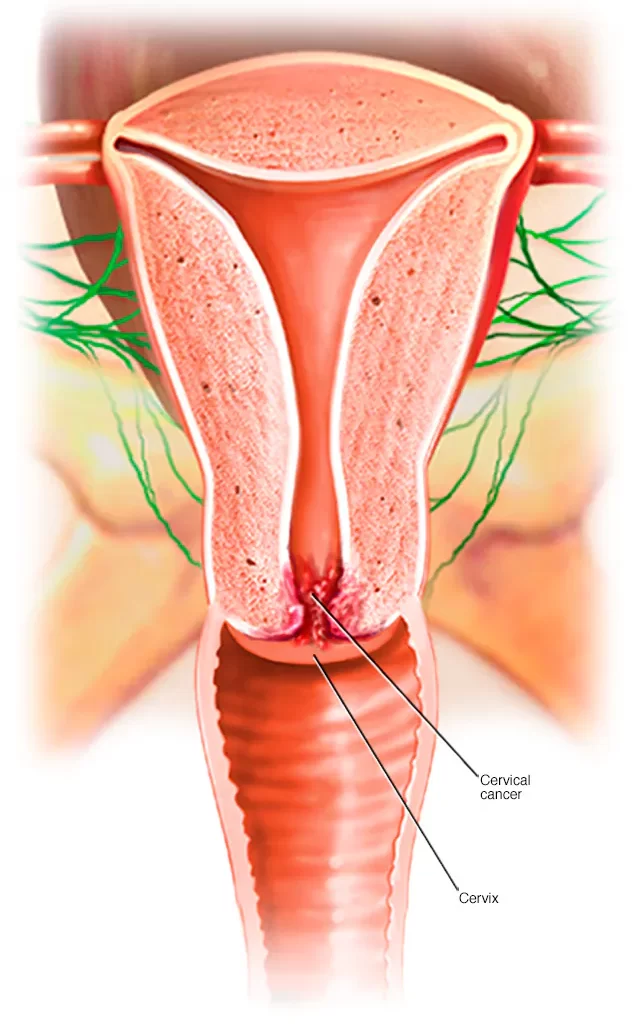

Cervical cancer is one of the most preventable cancers when it is detected early. A Pap smear is a simple screening test that helps identify abnormal changes in cervical cells before they develop into cancer.
In Uganda, cervical cancer is the most common cancer in women, with about 7000 new cases and over 4,600 deaths annually. Each January, we raise awareness about early detection and screening of cervical cancer to improve outcomes among our women.
At 3Rivers Cancer Center, we provide comprehensive cervical cancer screening and follow-up care, guided by experienced gynecologic oncologists who support patients at every stage of the process.
What Is a Pap Smear?
A Pap smear is a medical test used to examine cells from the cervix, the lower part of the uterus that opens into the vagina. The test looks for abnormal or precancerous cell changes that could develop into cervical cancer if left untreated.
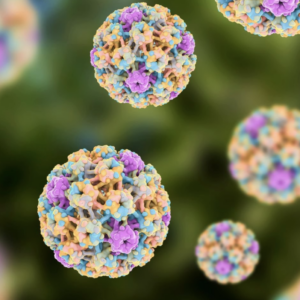
In some cases, the Pap smear may be combined with HPV testing, which checks for the human papillomavirus (HPV) , the main cause of cervical cancer. Together, these tests help identify risk early and guide appropriate care.
Why Pap Smear Screening Is Important
Cervical cancer usually develops slowly and often causes no symptoms in its early stages. Abnormal cell changes can be present for years before cancer develops.
Regular Pap smear screening helps detect these changes early, when they are most treatable. Early detection can prevent cervical cancer altogether or allow treatment at an early, more manageable stage.

Who Should Get a Pap Smear?
Screening recommendations depend on age, health history, and individual risk factors. In general:
- Cervical cancer screening begins in early adulthood, from 21 years of age.
- Regular screening continues until later adulthood, depending on previous test results and medical history.
Your healthcare provider will help determine the most appropriate screening schedule for you. At 3Rivers Cancer Center, our gynecologic oncologists are available to guide screening decisions, interpret results, and plan next steps when needed.
What Happens During a Pap Smear
A Pap smear is a quick procedure that usually takes only a few minutes:
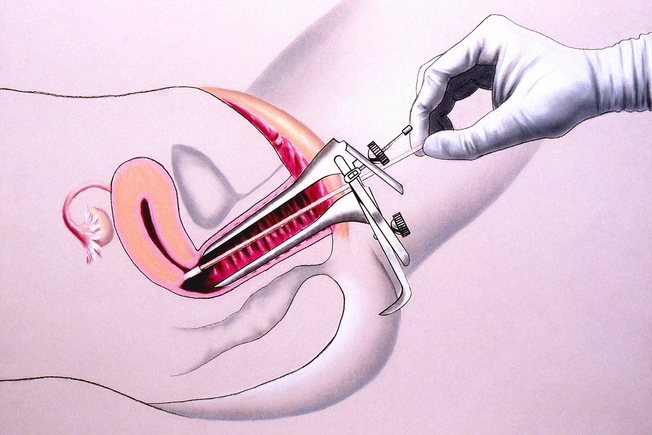
- Positioning and Examination
You will lie comfortably on an examination table while a clinician gently inserts a speculum into the vagina to allow a clear view of the cervix. - Cell Collection
A small brush or spatula is used to collect cells from the surface of the cervix. This step is brief and may cause mild pressure or slight discomfort, but it should not be painful. - Laboratory Testing
The collected cells are sent to a laboratory for analysis to check for abnormal changes.
After the test, most people can return to their normal activities right away.

Preparing for Your Pap Smear
To ensure the most accurate results, you may be advised to:
- Avoid vaginal creams or medications for 1–2 days before the test.
- Schedule the test when you are not menstruating, if possible.
If you feel anxious or have concerns, your care team at 3Rivers Cancer Center is available to answer questions and provide reassurance before and during the procedure.
Understanding Your Results
Pap smear results are usually available within a few days to a few weeks:
- Normal results mean no abnormal cells were found, and routine screening will continue.
- Abnormal results mean cell changes were detected. This does not always mean cancer, but further testing or closer follow-up may be needed.
Our gynecologic oncologists will carefully review your results, explain what they mean, and guide you through any necessary follow-up or treatment.
Take Charge of Your Cervical Health
Regular Pap smears save lives! If you are due for screening or have questions about cervical cancer prevention, contact us to schedule an appointment and receive expert, compassionate care.
Reach out to us and book a consultation with our consultants who will walk you through this journey. We are located at Afri-Courts Building on Buganda road. You can reach us on our hospital lines +256772555640 / +256758666312.

Article written by: Dr. Joy Mueni – Medical staff at 3Rivers Cancer Centre